Types of Bullet Cameras: IP, Analog, and Wireless Options
Introduction
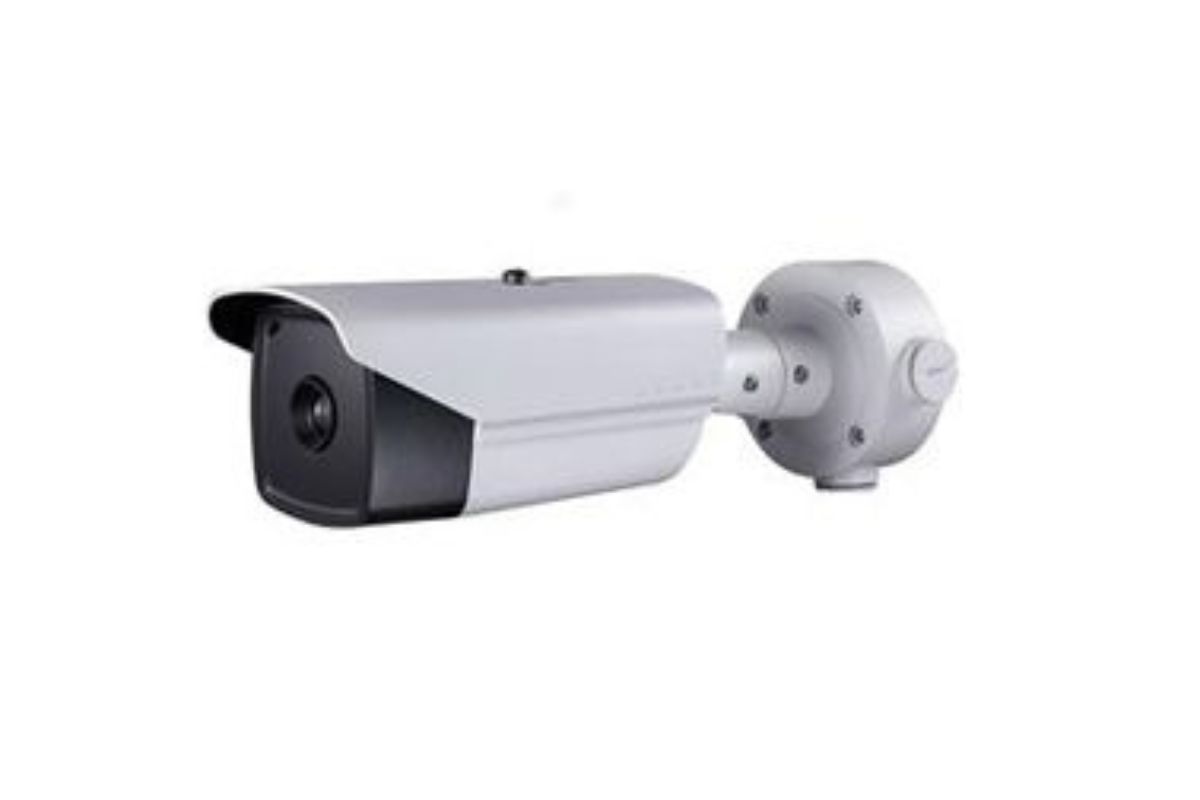
When it comes to securing homes, offices, or commercial spaces, bullet CCTV cameras stand out for their long-range visibility and durable design. Known for their cylindrical shape and easy installation, bullet cameras are ideal for monitoring large outdoor areas such as parking lots, building entrances, and warehouses.
In this guide, we’ll explore the main types of bullet cameras — IP, Analog, and Wireless — to help you choose the right one for your security needs.
1. IP Bullet Cameras: Smart, Network-Based Surveillance
IP (Internet Protocol) bullet cameras are the modern standard in CCTV security. They capture high-definition footage and transmit it over a network using an Ethernet cable or Wi-Fi connection.
Key Features:
- High-Resolution Video: Delivers crisp and detailed footage, often up to 4K.
- Remote Monitoring: View live feeds from anywhere via mobile or web apps.
- Advanced Analytics: Features like motion detection, intrusion alerts, and facial recognition.
- PoE (Power over Ethernet): Simplifies installation by combining power and data through a single cable.
Best For:
- Offices, retail stores, and homes requiring smart, remote-access security systems.
- Businesses needing integrated, AI-powered surveillance solutions.
Pros:
Easy remote access
Superior image quality
Supports cloud and local storage
Scalable for large systems
Cons:
Requires stable internet connection
Slightly higher cost than analog cameras
2. Analog Bullet Cameras: Reliable and Budget-Friendly
Analog bullet cameras are the traditional CCTV models that send video signals through coaxial cables to a DVR (Digital Video Recorder). They remain a popular choice for users who prefer simple, cost-effective systems.
Key Features:
- Stable Wired Connection: No dependency on internet bandwidth.
- HD and Full HD Options: Modern analog cameras now support HD resolutions.
- Affordable Setup: Lower equipment and installation costs.
- Easy Integration: Works with existing coaxial cable infrastructure.
Best For:
- Small businesses, residential buildings, and users upgrading from older systems.
- Areas where internet connectivity is unreliable.
Pros:
- Affordable and dependable
- Minimal network setup
- Easy to maintain
Cons:
- Limited remote access features
- Lower video quality compared to IP cameras
- Requires DVR for recording and playback
3. Wireless Bullet Cameras: Cable-Free Convenience
Wireless bullet cameras are designed for flexibility and ease of installation. They connect to Wi-Fi networks and store footage on local SD cards or cloud servers, eliminating the need for long cables.
Key Features:
- Easy DIY Installation: Ideal for homes or rental spaces.
- Wi-Fi Connectivity: Stream video directly to smartphones or PCs.
- Two-Way Audio: Communicate in real-time via the camera’s built-in microphone and speaker.
- Battery or Solar Options: Some models offer cordless power for outdoor use.
Best For:
- Homeowners or small offices needing hassle-free setup.
- Temporary monitoring setups (construction sites, events).
Pros:
No wiring required
Portable and flexible
Quick installation
Cons:
Signal interference in large buildings
Requires strong Wi-Fi connection
Battery-powered models need regular charging
Comparison Table: IP vs. Analog vs. Wireless Bullet Cameras
| Feature | IP Bullet Camera | Analog Bullet Camera | Wireless Bullet Camera |
| Video Quality | Up to 4K HD | Up to 1080p | Up to 2K |
| Connection Type | Ethernet/Wi-Fi | Coaxial Cable | Wi-Fi |
| Storage | Cloud / NVR | DVR | SD Card / Cloud |
| Installation | Moderate | Easy | Very Easy |
| Remote Access | Yes | Limited | Yes |
| Ideal For | Smart homes, offices | Budget installations | Flexible setups |
4. Choosing the Right Bullet Camera
When selecting the right bullet camera, consider:
- Budget: Analog cameras are cheapest; IP cameras are premium.
- Location: Outdoor or indoor placement may affect connectivity choice.
- Video Quality: For critical surveillance, go for IP or high-end wireless models.
- Connectivity: Ensure strong Wi-Fi or network support.
If you’re looking for professional-grade, reliable security, IP bullet cameras offer the best balance of clarity, intelligence, and scalability.
Conclusion
Each type of bullet camera—IP, Analog, and Wireless—serves a unique purpose.
- Go for IP cameras if you need smart, high-definition monitoring.
- Choose Analog cameras for cost-effective, wired setups.
- Opt for Wireless cameras if you want flexibility and easy installation.
By understanding the strengths of each option, you can make an informed decision that ensures round-the-clock security for your property.